
Expertise
Electro-Mechanical Devices & Capital Equipment
Alentra PD supports the development of electro-mechanical medical devices and capital equipment that bring mechanical, electrical, sensing, interface, and software requirements together within an integrated system.
EXPERTISE
Electro-Mechanical Devices & Capital Equipment
Alentra PD supports the development of electro-mechanical medical devices and capital equipment that bring mechanical, electrical, sensing, interface, and software requirements together within an integrated system.
ELECTRO-MECHANICAL EXPERIENCE
Integrated medical device systems for complex development programs
Electro-mechanical medical devices can combine multiple engineering disciplines within a single system. Mechanical components, electronics, sensors, controls, user interfaces, and software-supported functions may all need to work together while meeting clinical, usability, manufacturing, and quality requirements.
Discuss your program
Integrated System Design
Bring mechanical, electrical, sensing, interface, and software-adjacent requirements together within a coordinated device architecture.
Human-Centered Engineering
Consider clinicians, patients, workflows, ergonomics, and the environment in which the equipment or device will be used.
Path to Manufacturing
Connect engineering decisions with component sourcing, assembly, testing, documentation, and preparation for manufacturing.
ELECTRO-MECHANICAL SYSTEMS
Understanding the integrated device
Electro-mechanical device programs can differ widely in scale and complexity, but they share a need to coordinate multiple requirements within one product. Explore the primary areas that frame this expertise.
Electro-Mechanical Assemblies
Capital Equipment
Integrated Device Development
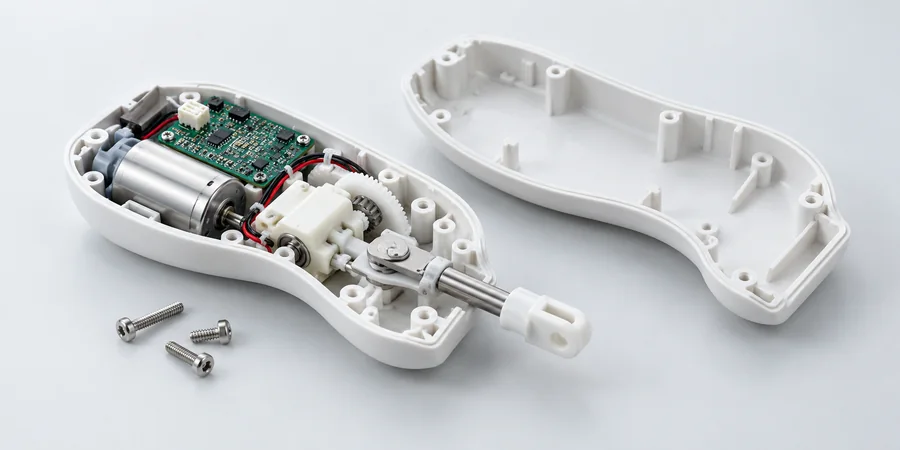
Electro-Mechanical Assemblies
Electro-mechanical assemblies combine mechanical and electrical elements within a coordinated medical device system. Development can require the physical design, components, interfaces, and assembly approach to work together while meeting the requirements established for the device.
- Mechanical and electrical integration
- Industrial and detailed engineering
- Component sourcing and integration
- Assembly-process development
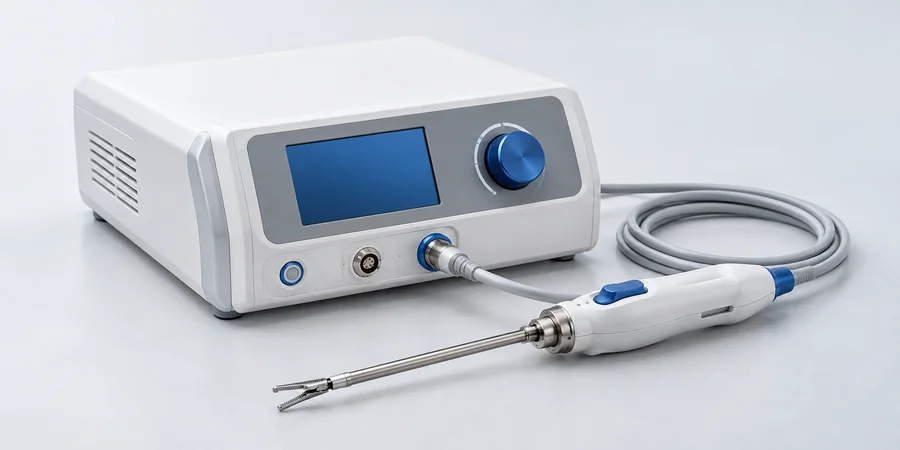
Capital Equipment
Medical capital equipment can involve larger or more complex device systems where multiple components and technical requirements must function together as a complete product.
- Integrated mechanical and electrical requirements
- Device architecture and physical configuration
- User interaction and usability considerations
- Testing and manufacturing preparation
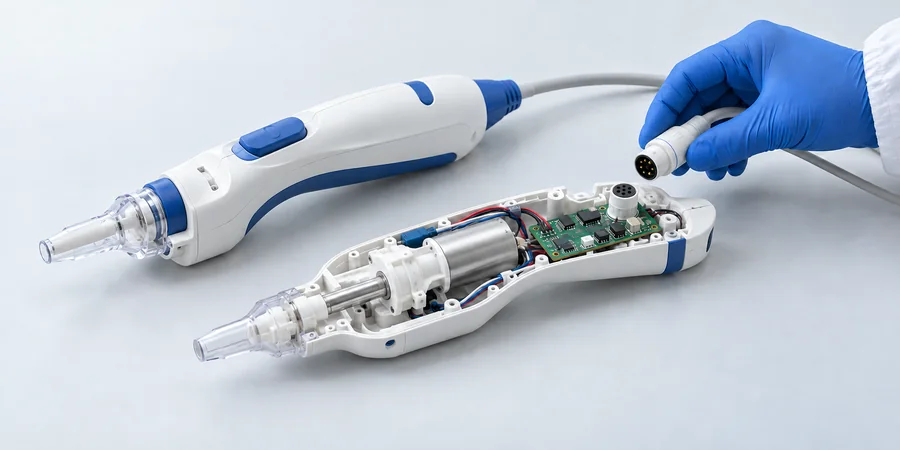
Integrated Device Development
Complex electro-mechanical devices require individual design activities to work as part of one coordinated development program. Engineering, industrial design, prototype evaluation, component decisions, testing, documentation, and manufacturing preparation all contribute to moving the complete device forward.
- Engineering and detailed design
- Prototype generation and evaluation
- Tooling and component sourcing
- Test-method and assembly-process development
SYSTEM DEVELOPMENT CONSIDERATIONS
What shapes an integrated medical device system
Electro-mechanical devices can involve multiple interconnected requirements. Considering the product as a complete system helps teams understand how engineering, usability, testing, and manufacturing decisions influence one another throughout development.
System Integration
Consider how mechanical, electrical, interface, and software-adjacent requirements work together within the overall device.
Device Form & Usability
Consider industrial design, ergonomics, physical configuration, and how intended users interact with the product.
Testing & Evaluation
Use prototypes and appropriate test methods to investigate device performance and guide design refinement.
Manufacturability & Assembly
Connect engineering decisions with tooling, component sourcing, assembly-process development, and preparation for manufacturing.
SUPPORTING CAPABILITIES
Connected support across development
Electro-mechanical medical device programs can draw on multiple Alentra PD capabilities as the product moves from early exploration through detailed development, testing, program execution, and manufacturing preparation.
Early Concept & Feasibility
Explore requirements, concepts, early prototypes, and technical approaches before advancing into detailed development.
Product Development
Bring together engineering, detailed design, risk management, documentation, component sourcing, assembly planning, and manufacturability.
Prototyping & Testing
Generate and evaluate prototypes, develop appropriate test methods, and document findings to investigate device performance and guide design refinement.
Project Management
Plan, execute, and monitor development activities throughout the program.
Contract Manufacturing
Support early and low-to-mid-volume builds, assembly development, fixturing, and preparation for future scale.
Industrial & Human-Centered Design
Address device form, ergonomics, usability, and interaction alongside technical development.
Explore more capabilities that move your program forward.
View all capabilities
QUALITY & REGULATORY
Quality that supports integrated device development
Electro-mechanical devices can involve multiple requirements, interfaces, and technical risks. Maintaining clear requirements, engineering documentation, risk considerations, and evaluation evidence helps support disciplined development as the device evolves.
- Design Requirements & Documentation
Maintain defined device requirements and supporting engineering and project documentation. - Risk Management
Identify and address development risks as the device progresses. - Testing & Evaluation
Develop appropriate methods for evaluating performance and documenting findings. - Manufacturing Considerations
Connect design decisions with components, tooling, assembly processes, and preparation for manufacturing.
EXPLORE MORE
Related expertise
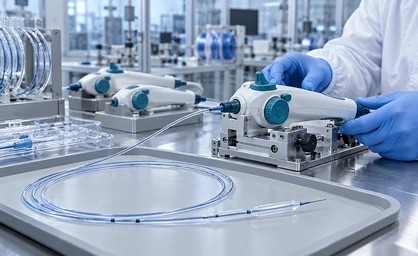
Catheter-Based & Endovascular Devices
Explore catheter-based and endovascular medical device development.
Explore expertise
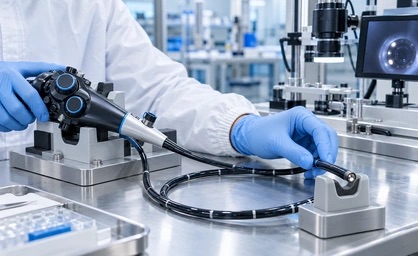
Endoscopic & Minimally Invasive Devices
Explore expertise related to endoscopic and minimally invasive devices.
Explore expertise
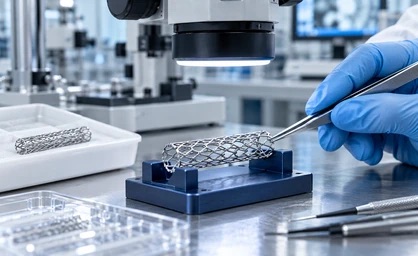
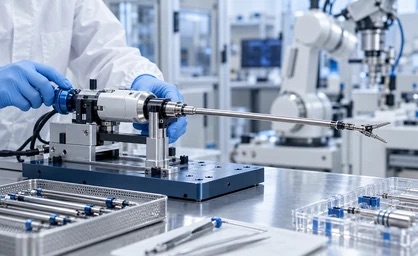
Surgical & Robotic Devices
Explore expertise related to surgical instruments and robotic medical devices.
Explore expertise
Planning an electro-mechanical device program?
Connect with Alentra PD to discuss your electro-mechanical device or capital equipment program and the development support it requires.