
Capabilities
Medical Device Capabilities, Connected
From early concepts and detailed design to prototyping, testing, and low-to-mid-volume manufacturing, Alentra PD brings together the capabilities needed to move your medical device program forward. Explore support for a specific challenge or a connected development program.
Capabilities
Medical Device Capabilities, Connected
From early concepts and detailed design to prototyping, testing, and low-to-mid-volume manufacturing, Alentra PD brings together the capabilities needed to move your medical device program forward. Explore support for a specific challenge or a connected development program.
CONCEPT TO COMMERCIALIZATION
Support for each stage of development
Your program’s next step depends on what has already been learned and what still needs to be resolved. Our capabilities connect the work across five stages, with project management and quality considerations throughout.
1
Concept & Feasibility
Define needs, explore concepts, and evaluate early technical questions.
2
Design & Development
Develop the design with usability, performance, and manufacturability in mind.
3
Prototyping & Testing
Build and evaluate prototypes to guide design decisions and assess requirements.
4
Design Transfer
Prepare the design, assembly processes, and documentation for manufacturing.
5
Commercialization
Support launch builds, low-to-mid-volume production, and manufacturing transition.
EXPLORE OUR CAPABILITIES
Find the support your program needs.
Explore seven connected capabilities, organized around defining the product, developing and testing the design, and supporting manufacturing and program delivery.
Concept & Design
Establish what the device needs to do and how people will use it. Early evaluation and design exploration help turn an initial idea into a clearer development direction.
Early Concept & Feasibility
Define product requirements, explore possible solutions, and evaluate technical feasibility. Concept generation, early prototypes, and design research help identify the questions that need to be resolved before detailed development.
Industrial & Human-Centered Design
Product Development
Advance the design through engineering, detailed development, risk management, and documentation. Consider manufacturability, component sourcing, and assembly-process needs as the product moves toward testing and production.
Prototyping & Testing
Create and evaluate prototypes, develop test methods, and assess the design against defined requirements. Use the findings to resolve technical questions, refine the product, and prepare for subsequent development stages.
Development & Testing
Turn the selected direction into a detailed design, then use prototypes and testing to guide refinement. Keep requirements, technical findings, and documentation connected as the product develops.
Manufacturing & Program Support
Bring the design into early production while keeping project priorities, quality considerations, and technical decisions coordinated. Prepare the processes and documentation needed for the program’s next stage.
Contract Manufacturing
Support early and low-to-mid-volume builds for testing, clinical studies, and market launch. Develop assembly procedures and fixtures, and prepare a manufacturing process that can support production or later transfer.
Project Management
Plan the work around an agreed scope, budget, and schedule. Coordinate technical activities, monitor progress, and address dependencies and changes so the team can make informed decisions throughout the program.
Quality & Regulatory Support
Connect development activities with design documentation, risk management, testing, and quality requirements. Identify regulatory support needs early and coordinate them with the technical work as the program progresses.
WHY CONNECTED CAPABILITIES MATTER
Shared knowledge across your development program.
One team
Continuity Between Stages
Carry requirements, design decisions, and test findings into the next stage so important knowledge stays with the program.
Faster & lower-risk
Manufacturing Considered Early
Bring component sourcing, assembly, and production considerations into development while the design can still be refined.
Quality throughout
Support Built Around Your Needs
Focus on a specific technical challenge or connect several capabilities within an agreed development scope.
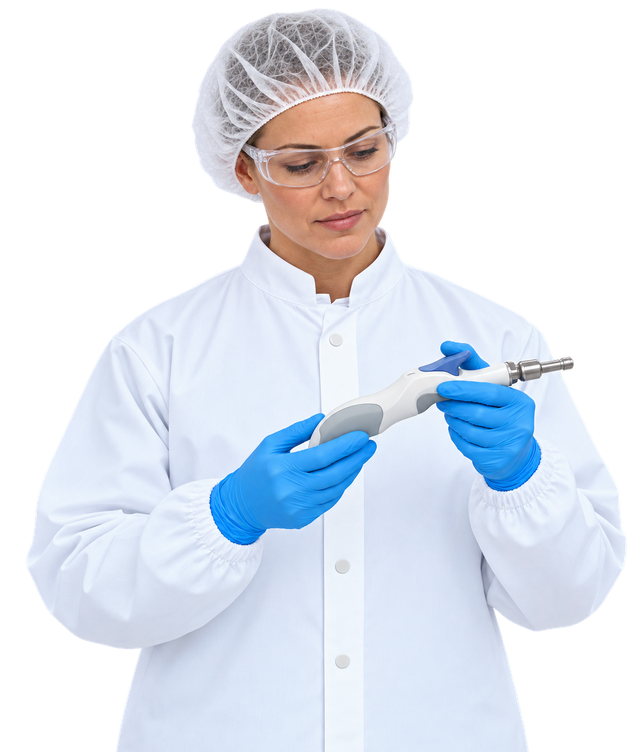
Quality & Regulatory
Keep quality connected to the technical work.
Quality planning is part of developing a medical device. Connect requirements, risk management, testing, and documentation so design decisions remain traceable as the program advances.
- Clear Requirements
Define the needs and intended use that guide development. - Risk-Aware Decisions
Consider product risks as concepts and designs are evaluated. - Planned Testing
Develop methods and evaluations around the questions the design needs to answer. - Documented Development
Maintain the records needed to communicate decisions and support subsequent work.
Not sure where to start?
Tell us where your program stands and what you need to achieve next. We can discuss which capabilities fit the work ahead.
Facilities & Manufacturing
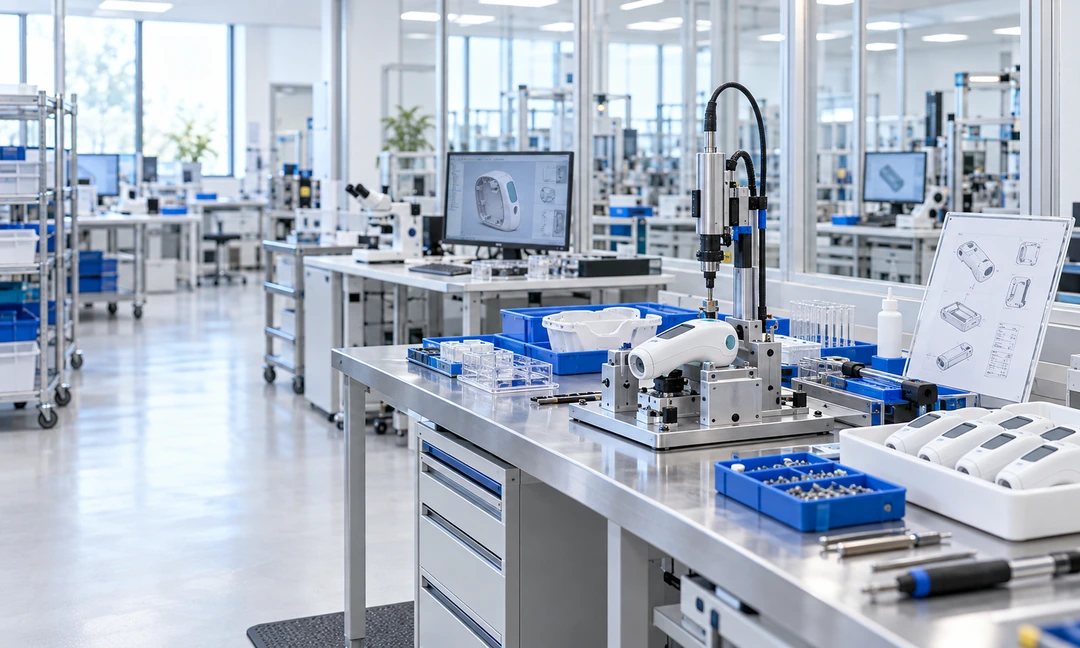
Development connected to manufacturing.
Alentra PD supports early and low-to-mid-volume medical device manufacturing for testing, clinical studies, and market launch. We refine assembly procedures and fixturing as programs advance, preparing a robust manufacturing process for transfer as production needs grow.
Proof in practice
See connected capabilities in action.
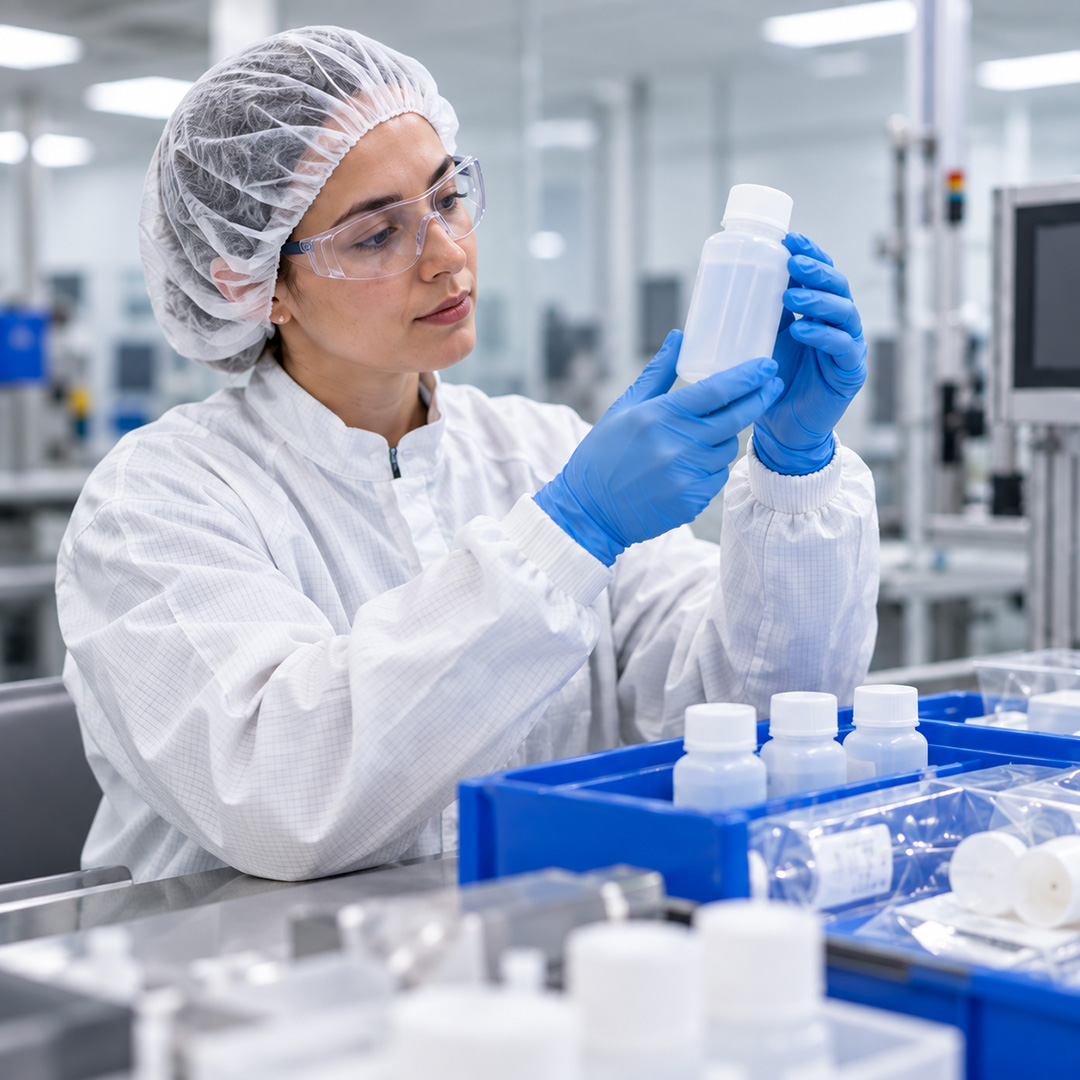
A reagent buffer bottle program brought injection and blow molding, assembly, RFID integration, labeling, and kitting together under one coordinated team. This integrated approach connected each stage of production, giving the customer a single partner from molded components to assembled and packaged kits.
Let’s define your program’s next steps.
Share your concept, current design, or manufacturing challenge. We’ll discuss the capabilities and approach that fit your program.