
Expertise
Implants
Alentra PD supports the design and development of implantable medical devices, bringing together engineering, materials considerations, risk management, testing, documentation, and manufacturing preparation throughout development. From early concepts through detailed design and evaluation, we help teams address the interconnected requirements involved in moving an implantable device toward commercialization.
Expertise
Implants
Alentra PD supports the design and development of implantable medical devices, bringing together engineering, materials considerations, risk management, testing, documentation, and manufacturing preparation throughout development. From early concepts through detailed design and evaluation, we help teams address the interconnected requirements involved in moving an implantable device toward commercialization.
IMPLANTABLE DEVICE EXPERIENCE
Development support for implantable medical devices
Alentra PD approaches these programs with the complete device in view, connecting early requirements and engineering decisions with prototype evaluation, risk management, design documentation, and preparation for manufacturing. The Sage team’s work on CereVasc’s eShunt system provides a documented example involving an implant and its catheter-based delivery system.
Discuss your program
Device Design & Engineering
Translate requirements into concepts, prototypes, industrial design, and detailed engineering as the implant design develops.
Materials & Components
Consider materials and component decisions alongside device requirements, engineering, risk, and manufacturing needs.
Risk & Development Rigor
Connect risk management, testing, documentation, and manufacturing preparation with the broader development program.
IMPLANT DEVELOPMENT
Key areas in implantable device development
Implant development brings together technical decisions that can influence the device throughout its lifecycle. These focus areas connect implant-specific requirements with the engineering, risk management, testing, and manufacturing work needed to advance the device.
Implant Design & Development
Materials & Components
Risk & Quality Considerations
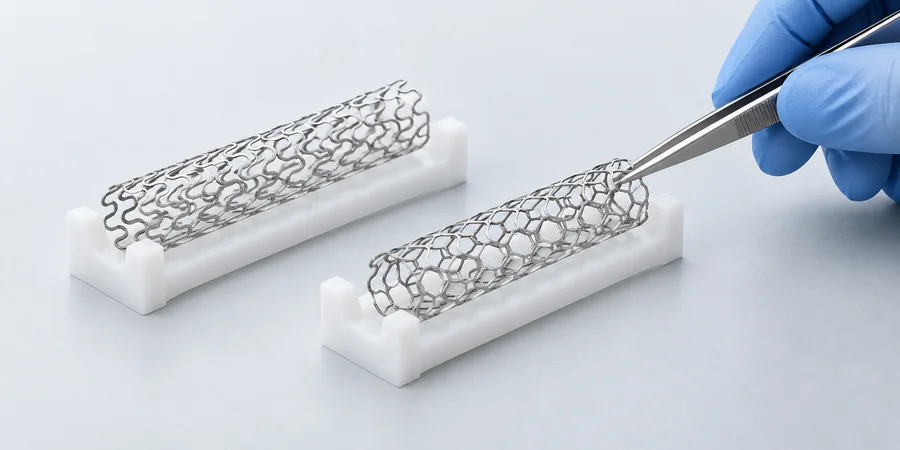
Implant Design & Development
Implant development begins with defined requirements and progresses through concept development, prototype evaluation, industrial design, and detailed engineering. Each step helps establish and refine the device as the program moves toward a more complete design.
- Design-input determination
- Concept generation and development
- Prototype generation and evaluation
- Engineering and detailed design
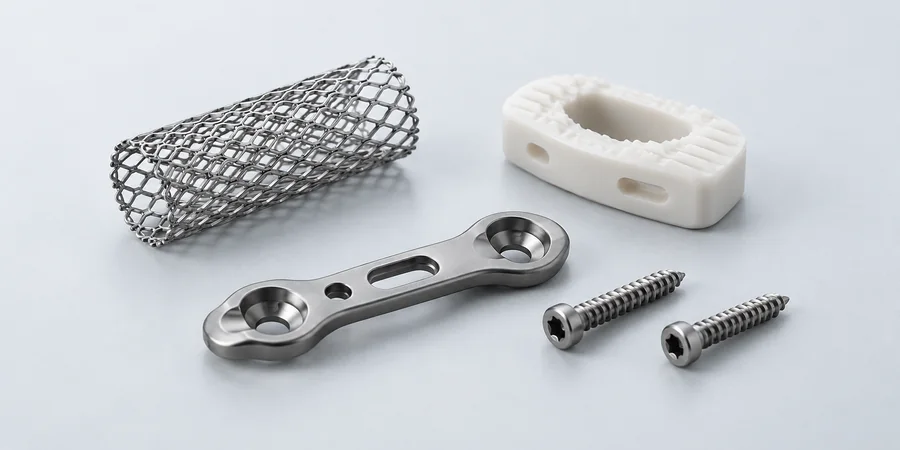
Materials & Components
Materials and component decisions are part of the broader engineering work involved in implantable-device development. These decisions need to remain connected with device requirements, detailed design, risk considerations, testing, and preparation for manufacturing.
- Materials considered as part of the device design
- Tooling and component sourcing
- Component integration within the design
- Manufacturing and assembly considerations
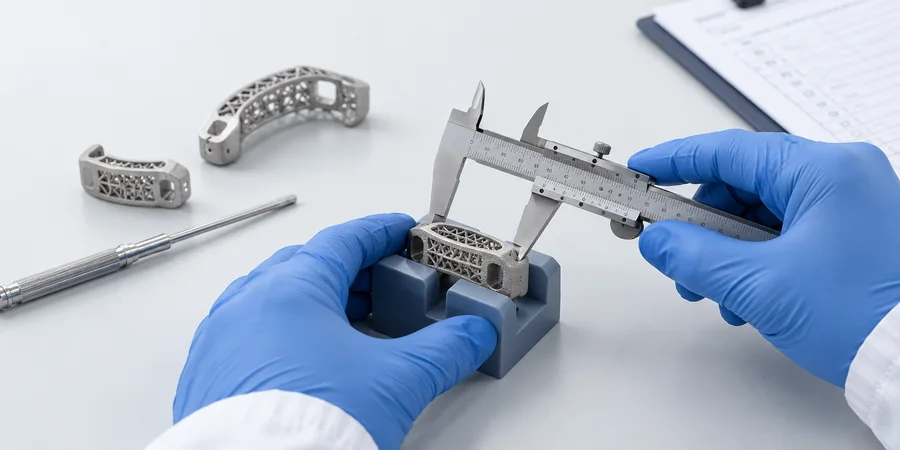
Risk & Quality Considerations
Risk documentation,and evaluation remain important throughout implantable-device development. Keeping these activities connected with the engineering work helps support a disciplined development program as the device progresses.
- Risk management
- Engineering and project documentation
- Test-method development
- Design verification and validation considerations
IMPLANT DEVELOPMENT CONSIDERATIONS
What Shapes an Implantable Device Program
Implant programs involve interconnected requirements that develop from early definition through engineering, evaluation, and manufacturing preparation. Keeping these considerations connected helps guide technical decisions throughout the program.
Requirements & Intended Use
Establish user needs, device requirements, and measurable specifications that provide the foundation for design and later evaluation.
Design & Performance
Develop and refine the device through concepts, prototypes, industrial design, and detailed engineering.
Evaluation & Risk
Use prototype evaluation, risk management, and test methods to investigate the design and guide further development.
Manufacturability & Assembly
Consider tooling, components, assembly processes, cost, and preparation for manufacturing as the design progresses.
SUPPORTING CAPABILITIES
Connected support across development
Implantable-device programs can draw on multiple Alentra PD capabilities as the product moves from early exploration through engineering, evaluation, quality activities, and manufacturing preparation.
Early Concept & Feasibility
Define requirements, explore concepts, generate early prototypes, and evaluate technical approaches before detailed development.
Product Development
Advance the device through engineering, detailed design, risk management, documentation, component decisions, and manufacturing preparation.
Prototyping & Testing
Generate and evaluate prototypes and develop test methods to investigate device performance.
Contract Manufacturing
Support early and low-to-mid-volume builds, assembly development, fixturing, and preparation for future scale.
Industrial & Human-Centered Design
Address device form, usability, ergonomics, and interaction alongside technical development where relevant to the program.
Quality & Regulatory Support
Connect the development program with requirements, documentation, risk management, testing, and regulatory considerations.
Explore more capabilities that move your program forward.
View all capabilities

QUALITY & REGULATORY
Quality that supports implant development
Implantable-device programs require design inputs, risk management, engineering documentation, testing, and manufacturing considerations to remain connected throughout development. Alentra PD's Quality & Regulatory Support capability provides a dedicated path for addressing these needs alongside the broader engineering program.
- Design Requirements & Documentation
Maintain defined requirements and supporting engineering documentation as the design evolves. - Risk Management
Identify and address development risks throughout the program and use findings to inform design decisions. - Testing & Evaluation
Develop appropriate methods for evaluating device performance and documenting results. - Manufacturing Considerations
Connect design decisions with components, tooling, assembly processes, and preparation for manufacturing.
EXPLORE MORE
Related expertise
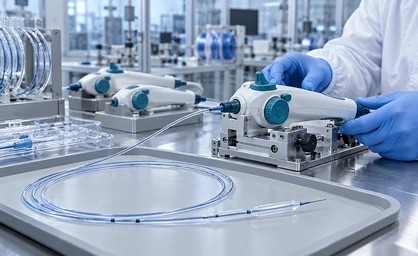
Catheter-Based & Endovascular Devices
Explore expertise related to catheter-based systems and endovascular medical devices.
Explore expertise
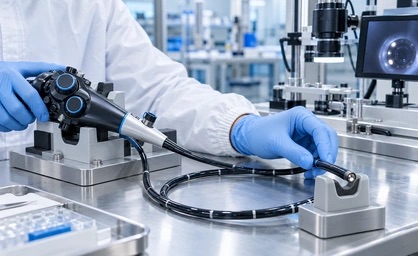
Endoscopic & Minimally Invasive Devices
Explore development experience for endoscopic and minimally invasive devices.
Explore expertise
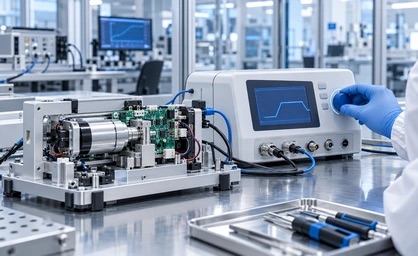
Electro-Mechanical Devices & Capital Equipment
Explore integrated devices involving mechanical, electrical, and software-adjacent requirements.
Explore expertise
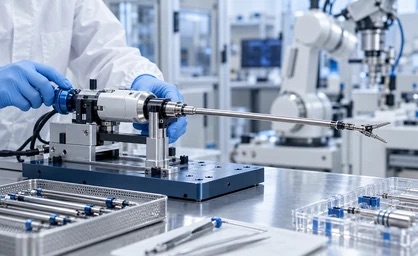
Surgical & Robotic Devices
Explore expertise related to surgical instruments and robotics-related medical devices.
Explore expertise
Planning an implantable device program?
Connect with Alentra PD to discuss your implantable device, development requirements, and the support your program needs.