
Expertise
Endoscopic & Minimally Invasive Devices
Alentra PD supports the development of endoscopic, laparoscopic, and minimally invasive medical devices, bringing together engineering, industrial design, prototyping, testing, and manufacturing considerations throughout development.
Expertise
Endoscopic & Minimally Invasive Devices
Alentra PD supports the development of endoscopic, laparoscopic, and minimally invasive medical devices, bringing together engineering, industrial design, prototyping, testing, and manufacturing considerations throughout development.
ENDOSCOPIC & MINIMALLY INVASIVE EXPERIENCE
Development experience for less-invasive device applications
Endoscopic and minimally invasive devices can introduce interconnected requirements related to intended use, device function, physical configuration, usability, testing, and manufacturability. Alentra PD brings medical device development experience to these programs with an approach that connects engineering decisions with the clinical need, product requirements, prototype evaluation, and preparation for manufacturing.
Discuss your program
Endoscopic Device Experience
Support the development of endoscopic devices as part of broader medical device product-development programs.
Flexible Endoscopy
Bring development experience informed by the requirements of flexible endoscopy and its use in minimally invasive procedures.
Minimally Invasive Devices
Support devices designed around minimally invasive approaches, from early concepts through detailed engineering and testing.
ENDOSCOPIC & MINIMALLY INVASIVE SYSTEMS
Explore our areas of experience
Endoscopic and minimally invasive programs can differ in device architecture, intended use, and development needs. Explore the focus areas below to see how engineering, usability, testing, and manufacturing considerations connect throughout development.
Endoscopic Devices
Flexible Endoscopy
Minimally Invasive Devices
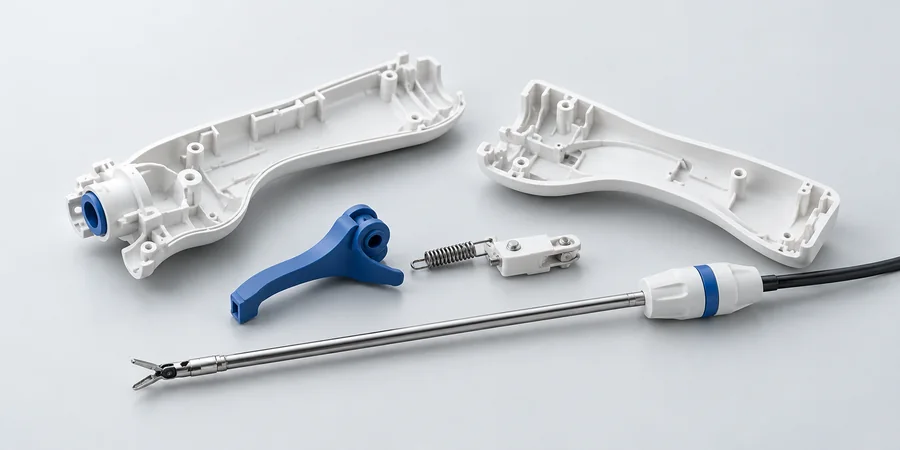
Endoscopic Devices
Endoscopic devices can require engineering, industrial design, prototype development, testing, and manufacturing considerations to work together as the design progresses. Alentra PD supports device development by connecting defined requirements with concept development, detailed engineering, evaluation, documentation, and preparation for manufacturing.
- Design inputs and concept development
- Industrial and detailed engineering
- Prototype generation and evaluation
- Test-method and assembly-process development
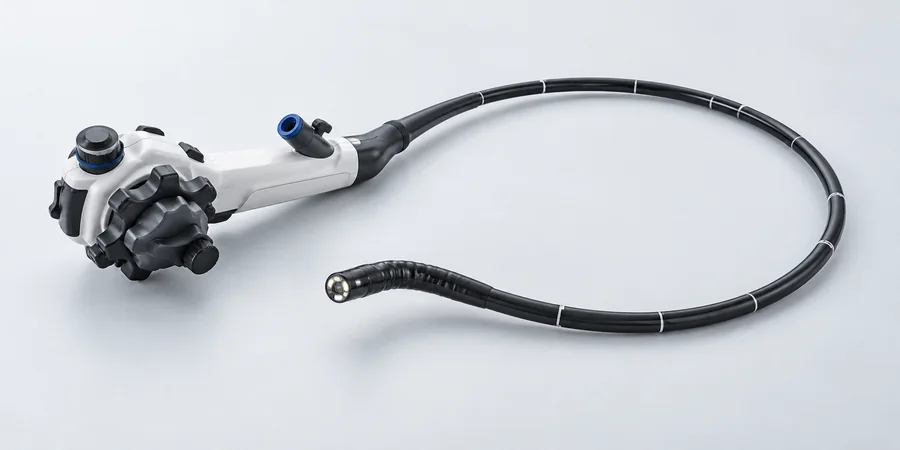
Flexible Endoscopy
Flexible endoscopy represents an established area of medical device experience and brings its own combination of clinical, device, and development requirements. Alentra PD approaches these programs by connecting the intended clinical need with device requirements, engineering development, prototype evaluation, and the broader path toward a manufacturable product.
- Clinical need and device requirements
- Concept and prototype development
- Engineering and design refinement
- Testing and manufacturing considerations
Minimally Invasive Devices
Minimally invasive medical devices are developed around an intended clinical need while balancing device performance, development risk, usability, manufacturability, and the requirements of the broader program. Alentra PD supports this work through concept development, engineering, prototype evaluation, testing, documentation, and manufacturing preparation.
- Requirements driven by the intended use
- Engineering and detailed design
- Prototype evaluation and test development
- Risk and manufacturability considerations
DEVELOPMENT CONSIDERATIONS
What shapes an endoscopic or minimally invasive program
Endoscopic and minimally invasive device programs begin with a defined clinical need and develop through a series of engineering and evaluation decisions. Keeping those requirements connected throughout development helps teams refine the device while managing function, risk, and manufacturability.
Clinical Need & Requirements
Define the clinical need, intended use, user requirements, and measurable specifications that guide device development.
Device Function & Design
Develop the concept through industrial design and detailed engineering while working toward the functional requirements established for the device.
Prototyping & Evaluation
Build and evaluate prototypes to investigate performance, compare design approaches, and inform further refinement.
Manufacturability & Risk
Consider materials, components, assembly processes, manufacturing methods, cost, and risk as the design progresses.
SUPPORTING CAPABILITIES
Connected support across development
Endoscopic and minimally invasive device programs can draw on multiple Alentra PD capabilities as the product moves from early exploration through detailed development, testing, project execution, and manufacturing preparation.
Early Concept & Feasibility
Define requirements, explore concepts, develop early prototypes, and evaluate technical approaches before advancing further.
Product Development
Advance the device through engineering, detailed design, risk management, documentation, component sourcing, and assembly planning.
Prototyping & Testing
Generate and evaluate prototypes, develop appropriate test methods, and use findings to guide design refinement.
Project Management
Plan, execute, and monitor development activities to maintain visibility into progress, timing, cost, and emerging issues.
Contract Manufacturing
Support early and low-to-mid-volume builds, assembly development, fixturing, and preparation for future scale.
Industrial & Human-Centered Design
Consider device form, usability, ergonomics, and interaction alongside the technical requirements of the product.
Explore more capabilities that move your program forward.
View all capabilities

QUALITY & REGULATORY
Quality that supports device development
Endoscopic and minimally invasive medical devices require design inputs, risk management, engineering decisions, testing, and documentation to remain connected as the design progresses.
- Design Requirements & Documentation
Maintain defined device requirements and supporting engineering and project documentation throughout development. - Risk Management
Identify and address development risks as the device and its requirements evolve. - Testing & Evaluation
Develop appropriate methods for evaluating performance and documenting findings against established requirements. - Manufacturing Considerations
Connect design decisions with assembly, process, and manufacturing requirements as development progresses.
EXPLORE MORE
Related expertise
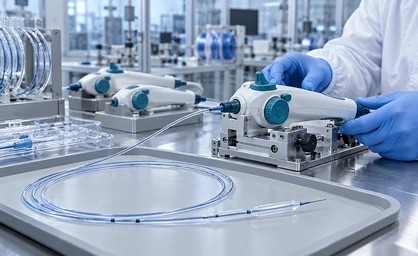
Catheter-Based & Endovascular Devices
Explore expertise related to catheter-based systems and endovascular medical devices.
Explore expertise
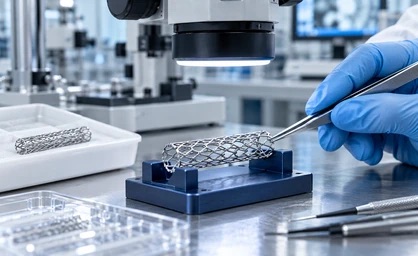
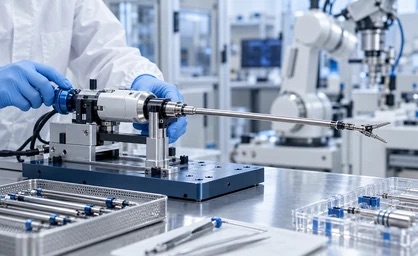
Surgical & Robotic Devices
Explore development experience related to surgical instruments and robotics-related medical devices.
Explore expertise
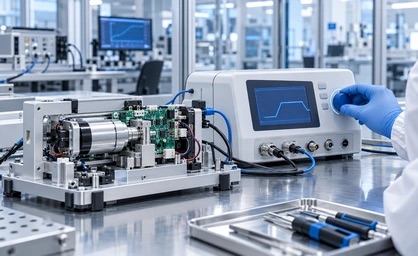
Electro-Mechanical Devices & Capital Equipment
Explore integrated medical devices involving mechanical, electrical, and software-adjacent requirements.
Explore expertise
Ready to move your device program forward?
Connect with Alentra PD to discuss your endoscopic or minimally invasive device and the development support your program requires.